Diploma Programme (DP)
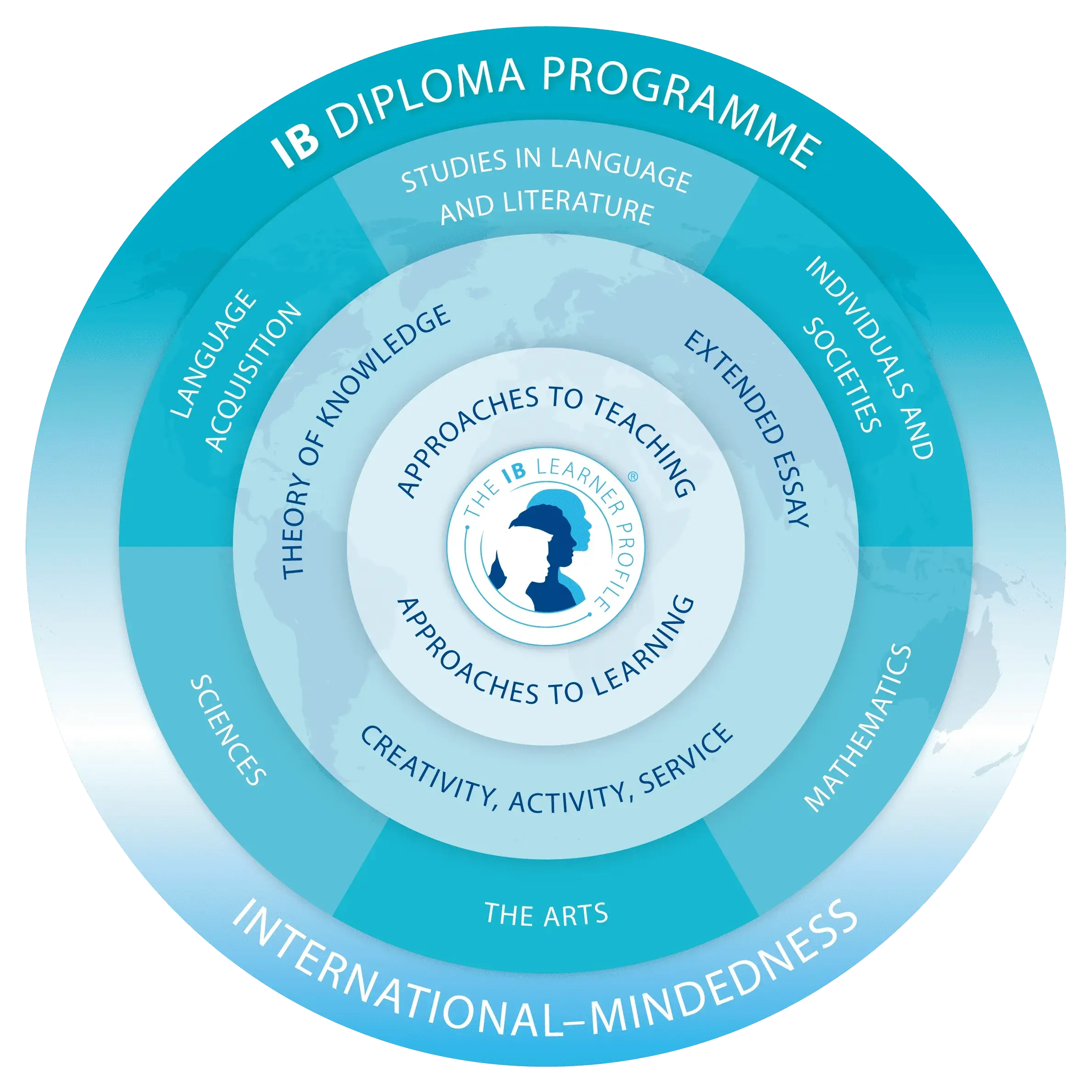
The IB Diploma Programme at aLphabet is designed for ambitious, curious, and driven learners who want more than just good grades. It challenges students to think beyond textbooks, connect ideas across subjects, and apply their knowledge to real-world situations.
Recognized by top universities worldwide, the DP is not only a rigorous academic pathway but also a transformative experience that builds independence, resilience, and a global perspective. Students graduate not only with strong academic foundations but also with the confidence, character, and skills to lead in a rapidly changing world.
At its core, the DP empowers young people to ask bold questions, seek meaningful answers, and develop the creativity and compassion needed to make a difference.
The programme combines six subject groups with the DP Core - a unique framework that challenges students to think critically, research deeply, act responsibly, and grow as individuals. The Core is where students truly discover their voice, their values, and their capacity to shape the world.
Subject Choices offered at aLphabet
The DP organizes teaching and learning through six subject groups underpinned by the DP core.
Each student is required to take six subjects, 3 subjects at the High level (HL) an 3 subjects at the standard level (SL). ToK, EE and CAS are mandatory for every DP student.
Language A
Group 1 Focus
English A: Language & Literature (SL / HL)
Korean A: Literature (Self-Taught, SL)
The DP Core
The DP Core is made up of three interconnected components where students truly discover their voice, values, and capacity to shape the world.
1. Theory of Knowledge (TOK)
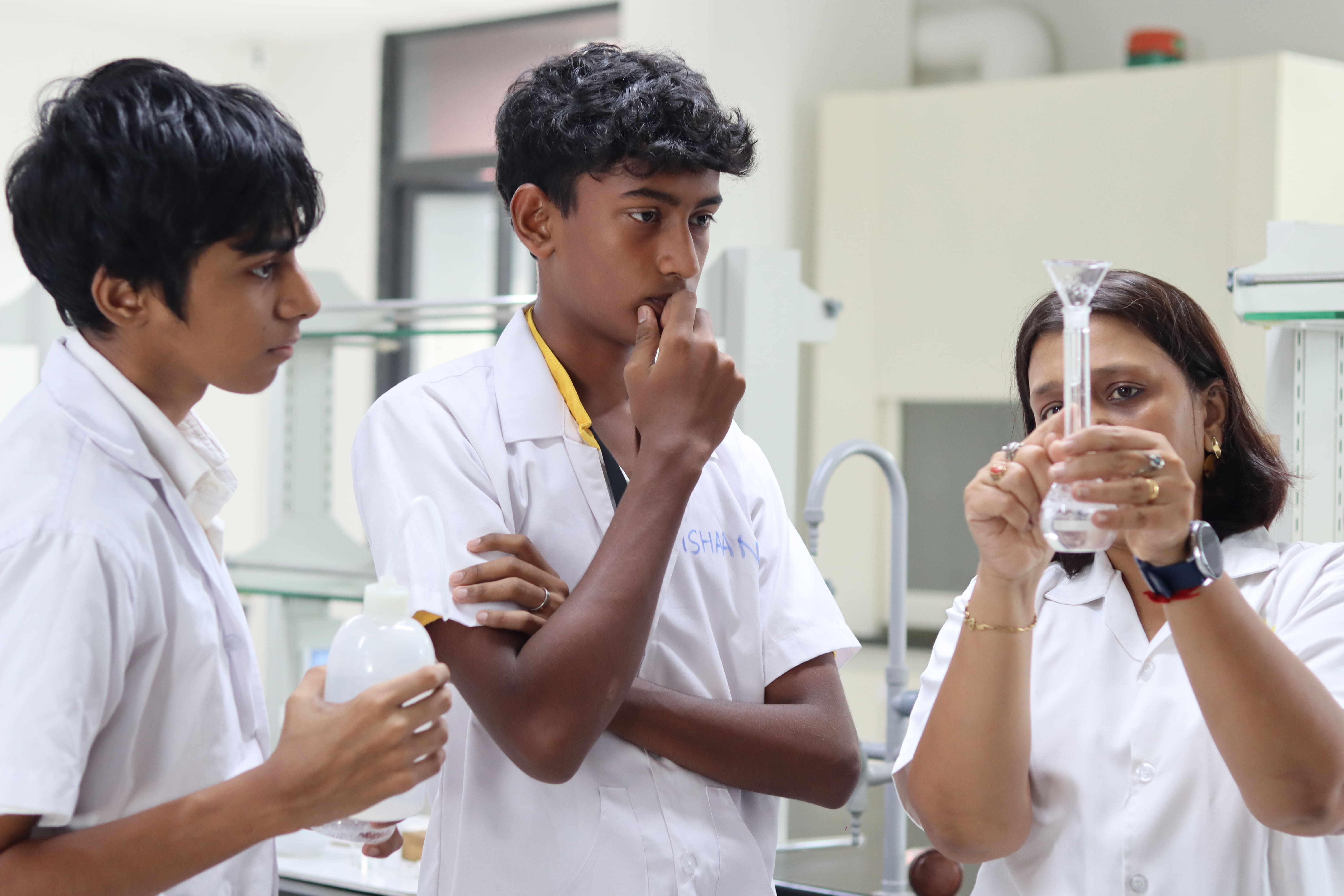
Students explore one of life’s biggest questions: How do we know what we know? By reflecting on perspectives, assumptions, and ideas across disciplines, they develop critical thinking, open-mindedness, and the ability to engage thoughtfully with multiple viewpoints. TOK unifies learning and helps students become curious, reflective thinkers who can navigate a world.
2. The Extended Essay (EE)
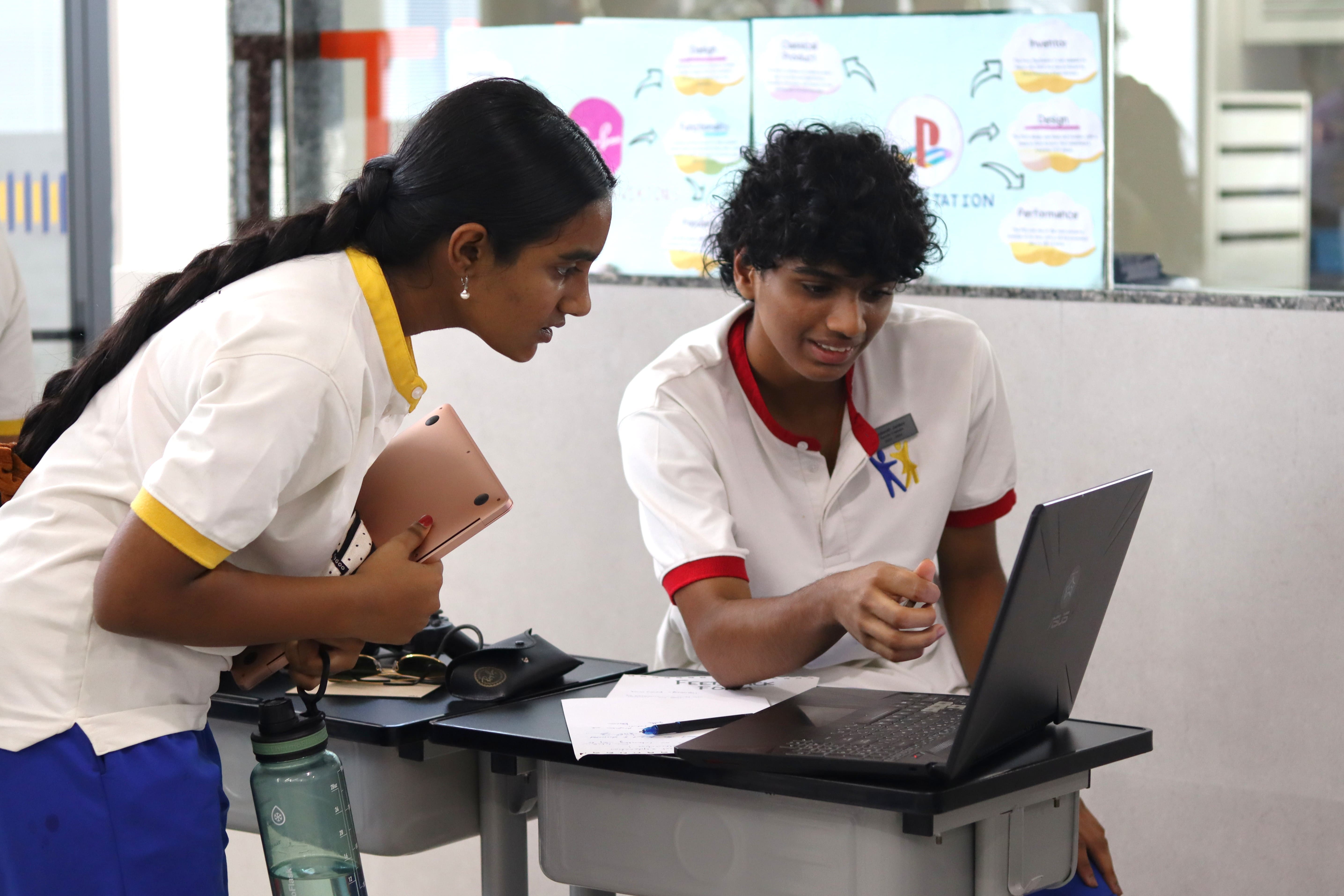
A 4,000-word independent research project where students investigate a topic of personal interest. This experience builds confidence, intellectual discipline, and university-level research and writing skills. More than just an essay, it’s a chance for students to pursue their passions in depth and create meaningful, evidence-based arguments.
%2FActivity.jpg?alt=media&token=38acc6e7-042f-4acf-b175-3ffe67cd2fa4)
3. Creativity, Activity, Service (CAS)
Learning moves beyond the classroom as students engage in creative, physical, and service-oriented projects that make a real impact. Whether it’s artistic expression, athletic challenges, or social impact work/community service at local, national, or global levels, CAS nurtures resilience, leadership, empathy, and a sense of purpose. Students don’t just learn about the world — they actively contribute to it.
Together, the TOK, EE and CAS components ensure that students leave with the skills, mindset and character to succeed anywhere their future takes them.
Assessments in the DP
At the end of each quarter in Grade 11, every student’s progress is carefully reviewed across academics, skills, and well-being. This ensures they remain on track for success in the IB Diploma Programme. The review process includes student self-reflection, subject teacher evaluation, ATL skill ratings, TOK teacher feedback, CAS coordinator feedback, EE supervisor feedback, Homeroom/Mentor teacher feedback, IBDP coordinator consolidated review.
Student performance is evaluated through a balanced system of examinations and continuous assessment.
Examinations are held at key points across the year, including midterms, semester exams, cumulative assessments, and year-end reports, with mock exams in Grade 12 to prepare IBDP students for final assessments. Continuous assessments include formative and summative assessments, ensuring that learning is consistently measured, reinforced, and applied throughout the year.
DP in Action