
Primary Years Programme (PYP)
%2FA%20Framework%20for%20Meaningful%20Learning%2Fpyp-model-en%20(1).webp?alt=media&token=7b14c744-7f7e-4fbe-8c78-bf9b7a0c6b92)
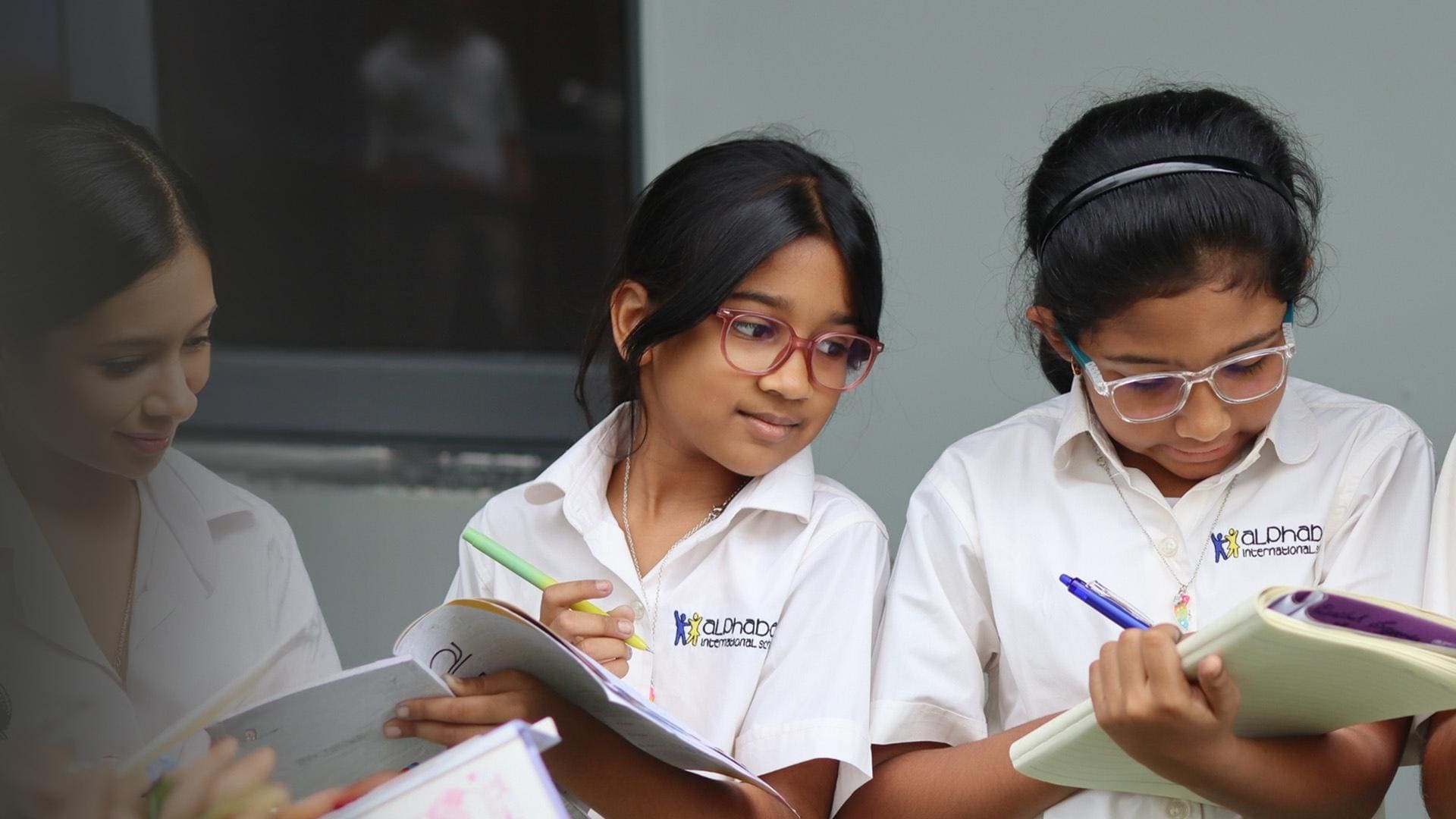
From the earliest years, children are natural observers and curious explorers. They actively make sense of the world by asking questions, trying things out, and learning from the people around them. Through these experiences and interactions, they begin to understand themselves, others, and how the world works. This forms the foundation for international-mindedness in the PYP.
The PYP offers an inquiry-based, transdisciplinary curriculum framework that builds conceptual understanding.
At aLphabet, the Primary Years Programme (PYP) begins with our Early Years Programme (EYP) and continues through PYP Years 1- 5 (Grades 1 - 5), creating a seamless and powerful continuum of learning for children aged 3 - 12.
Transdisciplinary Themes
At the core of this programme are six transdisciplinary themes that help guide conceptual understanding across subject areas and across all stages of childhood development
.jpg?alt=media&token=a759c55d-1293-4732-8a20-002e0bb85d96)
Who we are
.jpg?alt=media&token=d78390cb-b76a-4b3d-9443-5c8e8a65ac2e)
Where we are in place and time
.jpg?alt=media&token=f1f1f61d-3ba4-4fb1-a875-05fe2d4c1103)
How we express ourselves
%20(46).jpg?alt=media&token=c498b5e4-8af6-433a-9c79-6491946be177)
How the world works
.jpeg?alt=media&token=a1bda31e-3f5d-403f-bdf8-3dd0dd48ba9f)
How we organize ourselves
.jpeg?alt=media&token=dee213fc-4be9-4eaa-ae9f-b34384770a34)
Sharing the planet
These themes frame learning around big, meaningful ideas - helping children understand themselves, others, and the world, while making deep connections across disciplines.
The PYP’s play and inquiry-based approach empowers children to take ownership of their learning. By giving them voice, choice, and meaningful agency, it builds confidence, independence, and self-belief.
Early Years Programme (EYP)
Discoverers, Explorers, Learners
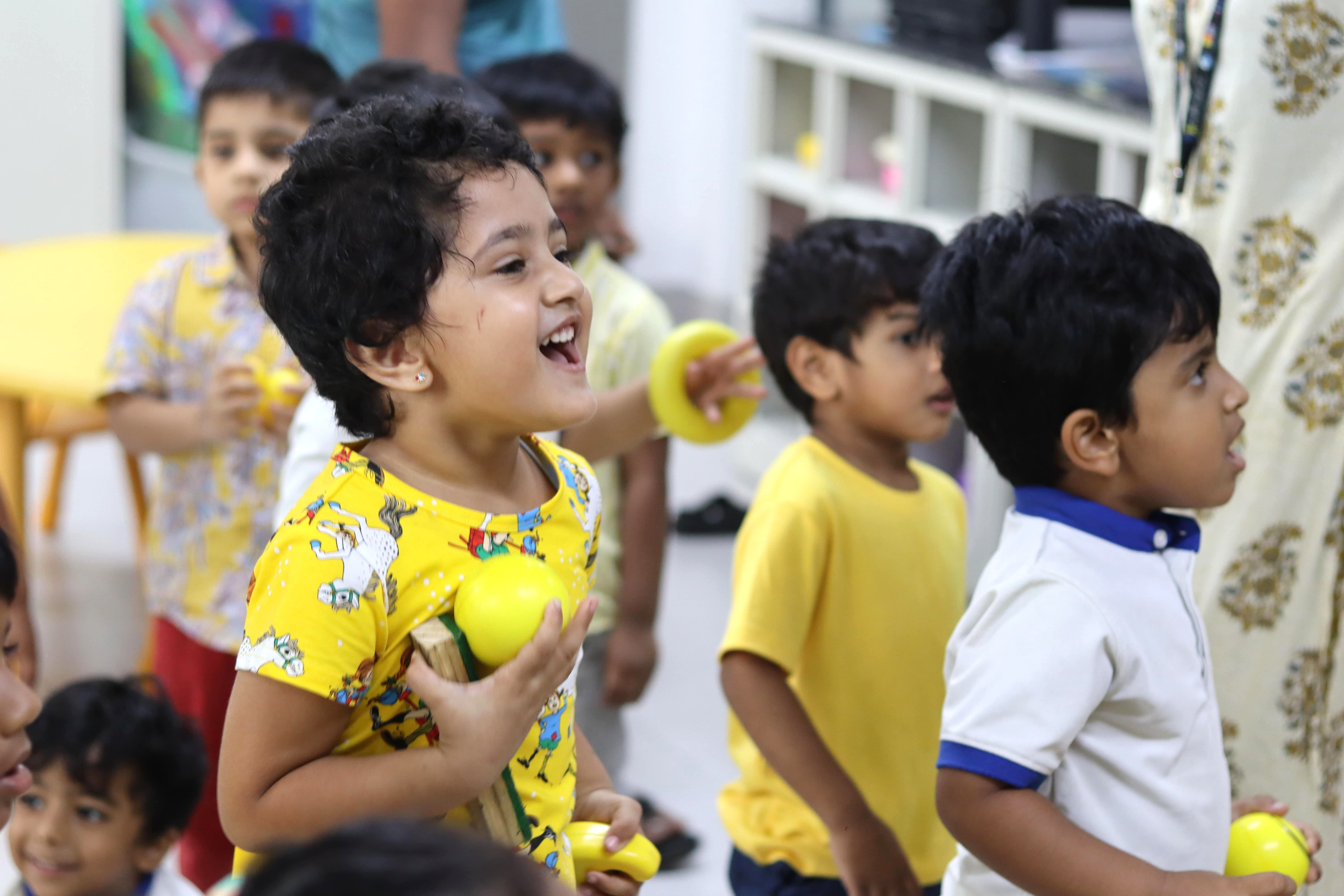
The Early Years Programme (EYP) at aLphabet is where curiosity takes root and the joy of learning begins. Children progress through carefully designed stages that nurture their natural sense of wonder, independence, imagination and creativity.
The EYP curriculum is rich, balanced, and inquiry-driven - with a focus on social & emotional development, cognitive development, language & communication, physical development, creative & aesthetic expression, value education & life skills, daily living & practical skills, early math, numeracy & general knowledge, and environmental awareness.
Learners experiment with sounds, stories, and songs as their language blossoms, and they discover new ways to solve problems using both logic and imagination. Pretend play evolves into complex storytelling, while early reading, writing, and numeracy skills begin to take shape through meaningful, hands-on activities. At the same time, children grow in confidence, learning to make decisions, manage routines, and express ideas and emotions in their own unique ways.
At this stage, we develop foundational literacy and numeracy, spark curiosity in science and the world around them, encourage artistic expression, and build social-emotional skills that prepare children for life as part of a community.
Children can choose activities from different areas, like communication, math, dramatic play, blocks, art, motor skills and so on. Outdoor learning and long-term projects deepen their understanding, while specialist-led experiences in the arts, science, and technology broaden their horizons.
As friendships and routines take shape, they learn to be caring, principled, and open-minded, understanding emotions, respecting differences, and discovering the joy of belonging to a community.
Celebrating Individuality
Most importantly, the EYP celebrates every child’s individuality. By recognizing their strengths, supporting their interests, and encouraging reflection on their learning journey, the programme builds the confidence, resilience, and love of learning that will guide them through the Primary Years Programme and beyond.
EYP in Action
%2FEYP%20in%20Action%2F1.jpg?alt=media&token=4885e5a5-d594-49af-a8bd-4bc60ee1673d)
%2FEYP%20in%20Action%2F10.jpg?alt=media&token=89a9cd4b-210a-4525-bb39-60fb8c0f9d80)
%2FEYP%20in%20Action%2F11.jpg?alt=media&token=3963fbab-0b64-4e81-b214-b32012876915)
PYP YEARS 1 - 5 (GRADES 1-5)
In the primary grades, the PYP comes alive at aLphabet through a balance of academic rigor, creativity, and social-emotional development. Our classrooms are dynamic learning communities where children’s questions spark exploration, where inquiry and play intersect, and where teachers are co-thinkers and collaborators.
Each Unit of Inquiry is anchored in one transdisciplinary theme and integrates multiple subject areas, helping learners see patterns, relationships, and real-world meaning. Instead of treating subjects as isolated silos, conceptual understanding grows across disciplines.
Beginning in Grade 1, students choose a language - Hindi, Tamil, or French - and continue with it throughout their PYP journey. This sustained progression supports fluency, cultural appreciation, and the ability to connect meaningfully with diverse communities.
Language (English)
Science
Language Acquisition (Hindi, Tamil or French)
Personal, Social & Physical Education
Mathematics
The Arts
Social studies
Inquiry in Action
For example
A Grade 3 class exploring “How the world works” may study Earth’s changes through science, geography, art, and literature, while reflecting on human responses to these shifts.
A Grade 1 class investigating “Sharing the planet” might learn about living things, their needs, and our responsibility to care for them. Through this framework, learning extends far beyond memorizing facts.
PYP in Action
%2FPYP%20in%20Action%2F1.jpg?alt=media&token=6d04060a-84d1-4a8d-9cb9-095bcb56fb61)
%2FPYP%20in%20Action%2F10.jpg?alt=media&token=b0fbb764-8853-457d-88fc-10dc15911167)
%2FPYP%20in%20Action%2F11.jpg?alt=media&token=e4c1b8c3-e9dc-464a-bab3-e77569288490)
Assessments in the PYP
Early years settings may use a combination of summative, formative, formal and informal measures to document children’s learning, inform teacher practices and decisions about the programme. Assessments in the PYP help us understand what each student knows and how they are growing. At the start of every term, we set learning goals, and through regular checks we make sure students are on the right track. Assessments are used to give feedback and support development in knowledge, skills, attitudes, and actions.
We use two main types of assessments:
Formative assessments are conducted via informal methods and take place during learning - these provide ongoing feedback that help both teachers and students improve, using activities like classwork, projects, homework, and self- or peer-checks.
Summative Assessments occur at the end of each unit to evaluate student learning and development against a benchmark or standard.
Teachers, students, and parents all play a role in this process, making assessment a shared journey in learning. End-of-term assessments, introduced from Grade 4, provide a comprehensive measure of students’ progress across the entire term.
PYP Exhibition
The PYP Journey culminates in the Grade 5 PYP Exhibition, where students select a United Nations Sustainable Development Goal that inspires them, and design an in-depth project around it. Drawing on everything they have learned through their PYP years, they research, collaborate, and take action - showcasing not only their knowledge, but their capacity to be creative, compassionate problem-solvers for real-world challenges.
Discover PYPx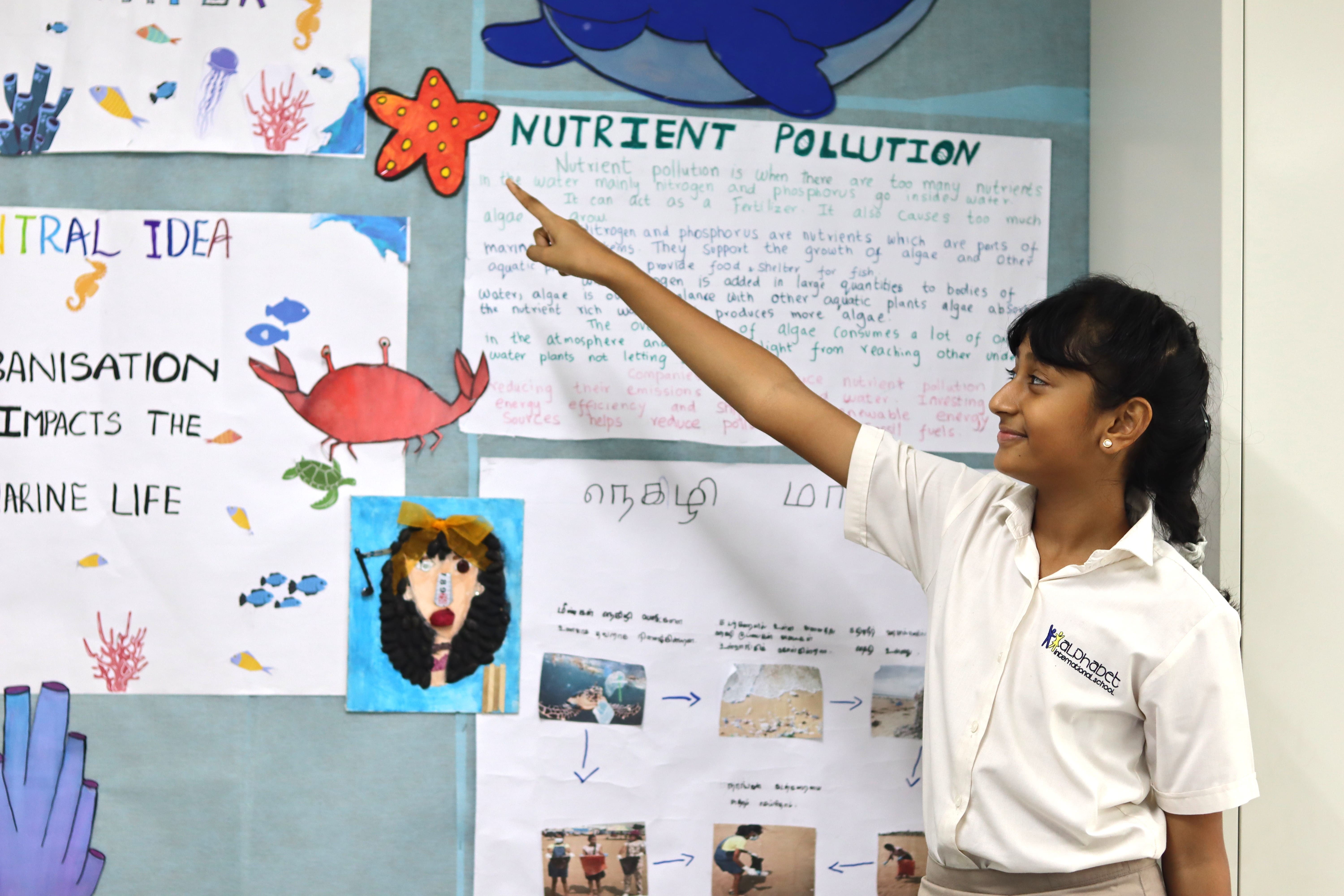
PYP Exhibition Highlights
.jpeg?alt=media&token=4a0f8e46-7336-440c-8ac4-b70b0b320814)
%2FGrade%205%20PYP%20Exhibition%2F10.jpg?alt=media&token=773eaf58-5484-4462-969c-f1ed7c4e3ced)
%2FGrade%205%20PYP%20Exhibition%2F2.jpg?alt=media&token=402df5aa-46d6-49cf-8b44-2488cc178651)